

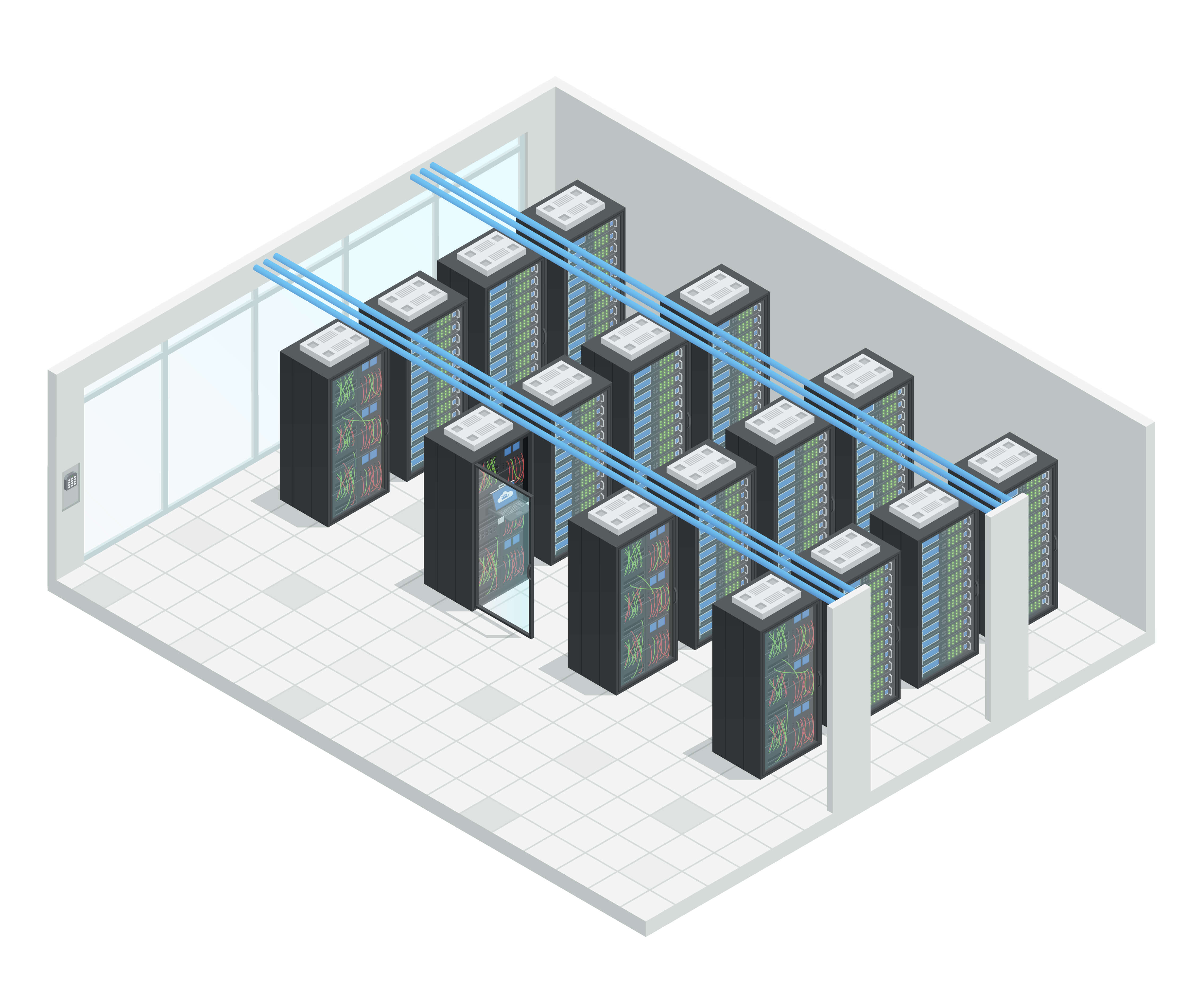
What are Datacenter Proxies?
Like any proxy, a datacenter proxy is an existing intermediary between any device accessing the internet and the website being accessed. In other words, they are IP addresses provided by a datacenter or cloud hosting services that stand between a device and the internet. When using one of these proxies while accessing your favorite sites online, your IP address is replaced with a temporary IP from the datacenter. These proxies are known for having a superior degree of anonymity and speed — which is why, if you ask us, they are ideal for various online activities. Some common uses for datacenter proxies may include but are not limited to:- Web scraping: Because of their high speed, datacenter proxies efficiently extract data from websites without traces. Businesses typically engage in data-gathering activities to analyze their competitors and the actual performance of their efforts across markets.
- Market research: Most businesses utilize datacenter proxies to gather customer insights. This approach makes it much easier to make timely improvements to their products and services.
- Anonymous browsing: Proxies mask a user's real IP address, as mentioned above, making it easy to browse without being traced by websites. This is particularly useful when avoiding targeted advertising based on location or browsing habits, for example.
- Accessing geo-restricted content: Many users take advantage of datacenter proxies to access geographically restricted content or websites. This allows them to use services that are otherwise unavailable in their location.
 Image source
Types of Datacenter Proxies
Your choice of datacenter proxies depends on your needs and use cases. In a nutshell, there are three main types of datacenter proxies available with most providers.- Public Datacenter Proxies
- Browsing websites
- Checking the availability of products or services
- Researching general information
- Bypassing simple geo-blocks
- Private/Dedicated Datacenter Proxies
- Shared Datacenter Proxies